If you’ve ever dreamed of biting into a soft, sweet, and fragrant bread that carries a festive spirit, then you’re in for a treat! This Traditional Roscón de Reyes Recipe is exactly the kind of recipe that fills your home with warm, cozy aromas and delights every palate at the table. I’ve been making this enchanting Spanish holiday bread for years, and I’m excited to share all my tips with you so you can nail it on your very first try. Trust me, once you experience this recipe, it’ll become a beloved classic in your kitchen too!
Why You’ll Love This Recipe
- Authentic Flavor: Loads of citrus zest and orange blossom water create that classic, fragrant taste everyone raves about.
- Soft & Fluffy Texture: The double fermentation ensures a light, airy crumb that melts in your mouth.
- Festive & Beautiful: The colorful dried fruits and almonds make it an eye-catching centerpiece for any celebration.
- Kid-Friendly Tradition: My family goes crazy for this, especially when we hide the surprise inside — a perfect way to spark holiday joy.

Ingredients You’ll Need
When it comes to a Traditional Roscón de Reyes Recipe, the ingredients work harmoniously to bring out that distinctive sweet and citrusy note. Pay attention to the quality of your flour and the freshness of your citrus — it really makes a difference in flavor.
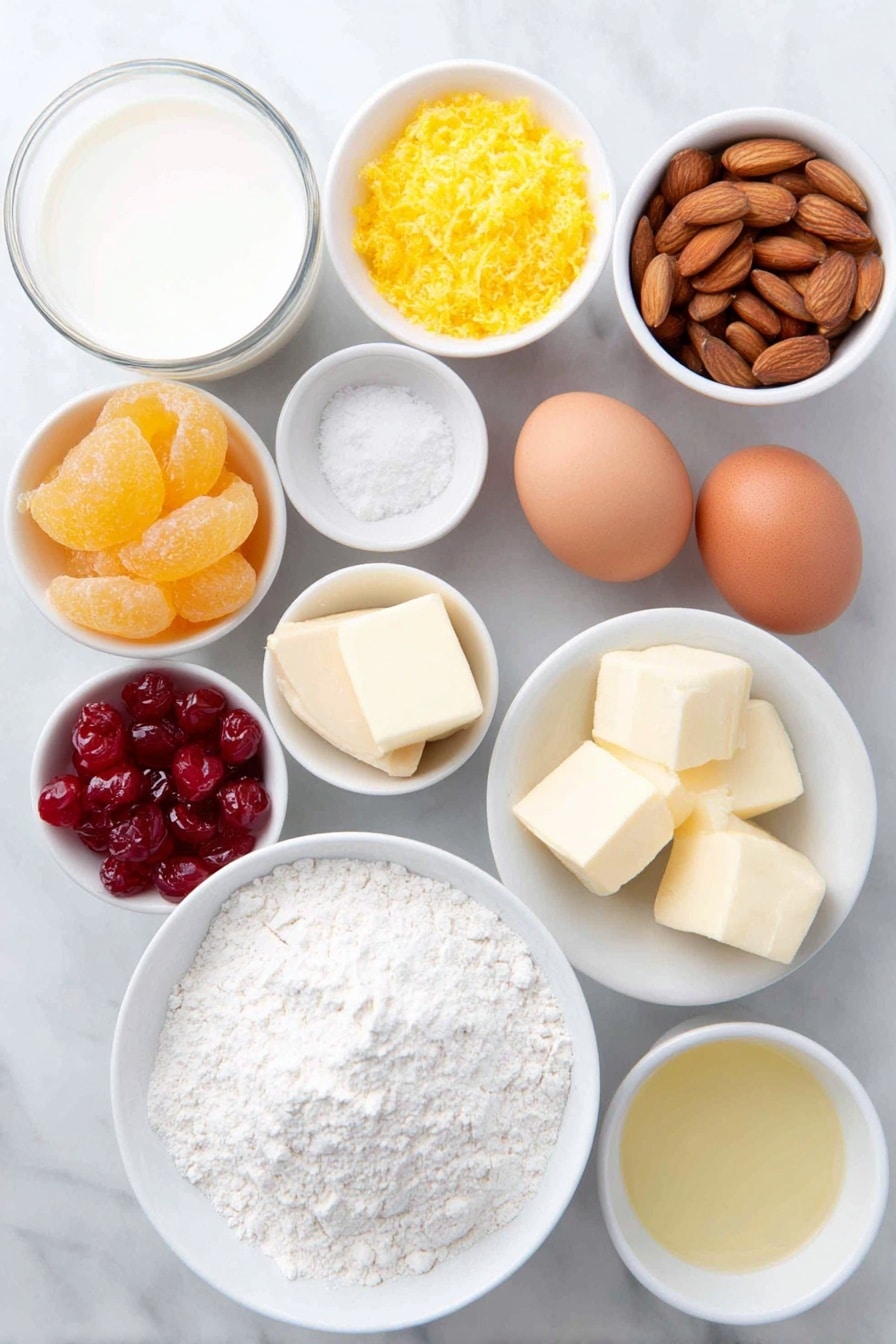
- Whole milk: I like using whole milk for richness and creaminess in the dough.
- Orange peel: Fresh peel adds bright, zesty aroma and flavor — be sure to avoid the bitter pith.
- Lemon peel: This gives a balanced citrusy lift, essential for the authentic taste.
- Warm water: Helps activate the yeast perfectly — make sure it’s warm but not hot.
- Granulated sugar: Sweetens the dough gently, and also for the sugar topping.
- Dry active yeast: The key to that beautiful rise — fresh yeast gives best results.
- Bread flour: Higher protein content supports that perfect chewy texture.
- Butter (room temperature): Adds tenderness and richness without making the dough greasy.
- Eggs: For structure and color, plus they give a soft crumb.
- Rum (optional): I sometimes add this for a subtle depth of flavor if you’re feeling fancy!
- Orange blossom water: This floral essence is a signature ingredient that perfumes the bread beautifully.
- Egg (for wash): Ensures a shiny, golden crust on your Roscón.
- Whole milk (for wash): Lightens the egg wash so it doesn’t brown too quickly.
- Dried maraschino cherries: For that festive pop of color and sweetness.
- Candied orange slices: Classic decoration — I love the chewiness and brightness they add on top.
- Sliced almonds: Adds a crunchy contrast and nutty flavor.
Variations
I love experimenting with this Traditional Roscón de Reyes Recipe every year! Whether it’s tweaking the toppings or adding new flavors, you can personalize it to fit your taste and celebrate with your own twist.
- Almond-Free Version: I’ve made this without almonds for a nut-free option, just swap with extra candied fruits or seeds for crunch.
- Gluten-Free Adaptation: I tried a gluten-free bread flour blend once, and while the texture shifts, it’s still delicious with a bit more care in kneading.
- Spiced Roscón: Adding a pinch of cinnamon or nutmeg brings a cozy warmth that pairs beautifully with the citrus flavors.
- Filled Roscón: Some folks love stuffing it with whipped cream or pastry cream — I keep it simple, but you can definitely get creative!
How to Make Traditional Roscón de Reyes Recipe
Step 1: Infuse the Milk for the First Fermentation
Start by gently warming the milk with the orange and lemon peels. When I first tried this, I underestimated how much those peels would influence the final aroma—it’s subtle but essential! Simmer just a minute, then let it cool until it’s very warm but not too hot to keep the yeast happy. Strain out those peels and prepare for the yeast activation phase.
Step 2: Activate Your Yeast
Mix half the milk with warm water, sugar, yeast, and a bit of bread flour. This small batch kickstarts the fermentation process. I always cover it and let it rest in a warm spot for about 15 minutes until it bubbles—a sure sign the yeast is alive and ready. If yours doesn’t bubble, don’t fret—just check the yeast’s expiration date or temperature of your liquids.
Step 3: Prepare the Dough for the Second Fermentation
In a large bowl, combine most of the bread flour with sugar, yeast, citrus zests, and salt. Then add butter, eggs, the rum (if using), orange blossom water, and your bubbly yeast mixture. Stir until everything just comes together.
Step 4: Knead the Dough to Perfection
I’ve learned the hard way that kneading is key to getting this dough right. Turn it out onto a floured surface and knead for 15 minutes, adding flour sparingly. You want the dough tacky — not sticky or stiff. Getting the right feel takes practice, but listen to your hands; they’re your best guide. Kneading develops gluten, which gives your roscón that beautiful softness with structure.
Step 5: Let it Rise
Grease your bowl and place the dough back inside. Cover with plastic wrap and let it double in a warm place—usually about 2 hours. Patience here pays off big time! It’s one of those moments I remind myself that good things take time, and that rise means a light, fluffy bread.
Step 6: Shape Your Roscón
After the dough has doubled, turn it out and shape it into a ball. Then poke a hole in the middle and gently stretch it into a large oval or ring shape. I like placing it on parchment lined baking sheets so I can easily transfer it later. A quick spritz of non-stick spray and covering for another 30-minute rest will help it puff up nicely before baking.
Step 7: Add the Glorious Toppings
Preheat your oven to 350°F while you prepare the egg wash — whisk egg and whole milk together for that beautiful golden finish. The sugar mixed with a touch of orange blossom water sprinkled on top adds a delicate crunch and fragrance that I adore. Decorate with cherries, candied orange slices, and almonds in any pattern you like—this is where your roscón really comes alive visually!
Step 8: Bake and Enjoy
Bake for 20-25 minutes or until your roscón is golden all around. When you pull it out, let it rest for 10-15 minutes before slicing. I sometimes spread mine with butter or revive the tradition by pairing it with sweetened whipped cream—both are divine. This bread tastes best fresh but also keeps well, so leftover slices can still delight the next day.
Pro Tips for Making Traditional Roscón de Reyes Recipe
- Use Fresh Peels: Always peel your citrus carefully to avoid the bitter white pith, which can throw off the flavor.
- Temperature is Everything: Make sure your liquids are warm not hot, as too much heat kills the yeast and stops fermentation.
- Kneading Patience: Don’t rush the kneading—this builds the gluten that gives your roscón its soft but structured texture.
- Double Rise: Giving the dough two chances to rise makes all the difference in fluffiness and flavor development.
How to Serve Traditional Roscón de Reyes Recipe
Garnishes
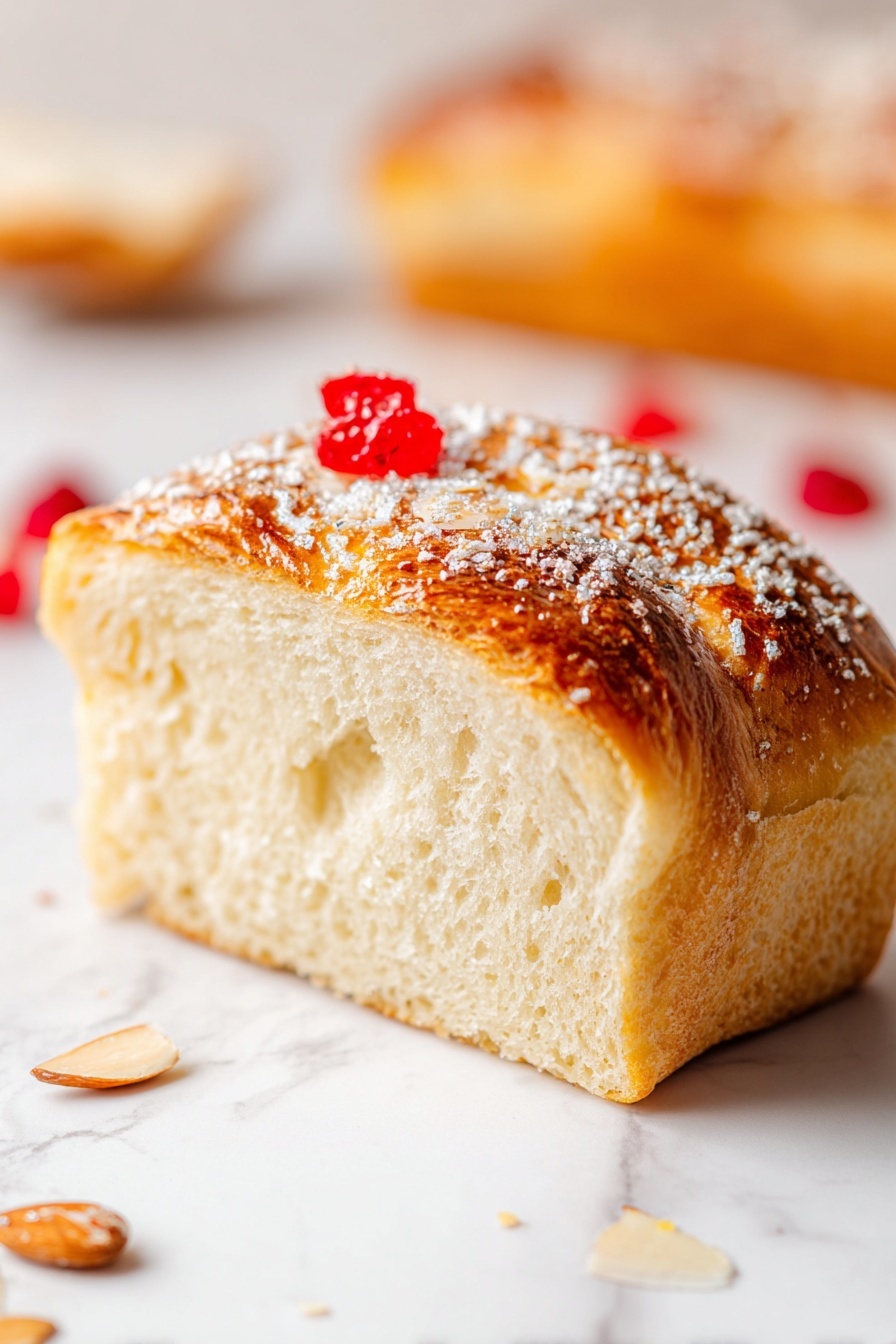
I love keeping the classic look with bright maraschino cherries, candied orange slices, and a generous sprinkle of sliced almonds. The colors pop and give it that festive charm. Plus, the crunch contrasts beautifully with the soft bread. A dusting of powdered sugar right before serving can also add a snowy, magical touch.
Side Dishes
To complement the sweetness of the roscón, I often serve it alongside a cup of hot chocolate or strong coffee. It’s perfect for dipping or pairing because the bread itself isn’t too sweet. On holiday mornings, a side of fresh fruit keeps things fresh and balanced.
Creative Ways to Present
For family gatherings, I love hiding a small figurine or a dry bean inside the roscón, just like the traditional Spanish way. Whoever finds it gets a special prize or the honor of hosting next year’s celebration. You can also dust it with edible gold glitter for an extra sparkle at parties.
Make Ahead and Storage
Storing Leftovers
My go-to method is to store leftover roscón in an airtight container at room temperature—it stays fresh and soft for up to 5 days. I make sure to wrap it well to prevent it from drying out, and it’s usually gulped down before a week passes anyway!
Freezing
I’ve frozen roscón slices wrapped tightly in plastic wrap and then foil, and it thawed beautifully without losing texture. Just defrost overnight in the fridge or a few hours at room temperature, and you’re good to go. It’s a great way to prepare ahead for celebrations.
Reheating
To refresh the roscón, I warm it gently in a 300°F oven for about 10 minutes. This revives the softness and aroma without drying it out. If you only have a microwave, zap it for 10-15 seconds but watch carefully to avoid toughening the bread.
FAQs
-
Can I make this Traditional Roscón de Reyes Recipe without orange blossom water?
Yes, you can omit the orange blossom water if you don’t have it on hand, but it is a signature flavor that really sets this recipe apart. You might try substituting with a tiny bit of vanilla extract or another floral essence, but the classic aroma won’t be quite the same.
-
How long does the dough need to rise?
The dough should rise until it doubles in size, which usually takes about 2 hours depending on your room temperature. After shaping, it needs a second shorter rise of about 30 minutes before baking to get that perfect puff.
-
What can I use instead of rum in the dough?
If you prefer to skip the rum, you can leave it out entirely or replace it with an equal amount of orange juice for a non-alcoholic, citrusy boost that still works well.
-
Any tips for decorating the roscón to look authentic?
Use colorful dried fruits like cherries and candied orange slices to mimic the traditional look. Adding sliced almonds around with some sugar sprinkled on top creates that perfect festive texture and visual appeal.
Final Thoughts
This Traditional Roscón de Reyes Recipe holds a special place in my heart because it’s about more than just the bread—it’s about family, celebration, and tradition. From the fragrant citrus to the festive decorations, every bite feels like a moment of joy shared around the table. I can’t recommend enough that you try making this yourself; it’s a rewarding baking adventure that brings smiles and warmth to any occasion. So go ahead, turn on some holiday tunes, and let your kitchen fill with the magic of roscón!
Print
Traditional Roscón de Reyes Recipe
- Prep Time: 25 minutes
- Cook Time: 20-25 minutes
- Total Time: 3 hours 20 minutes
- Yield: 12 servings 1x
- Category: Bread
- Method: Baking
- Cuisine: Spanish
Description
Roscón de Reyes is a traditional Spanish sweet bread, beautifully flavored with citrus zest, orange blossom water, and decorated with vibrant candied fruits and almonds. This celebratory bread boasts a soft, fluffy texture achieved through two rounds of fermentation and is baked to a golden perfection, making it a perfect festive treat for Epiphany or any special occasion.
Ingredients
First Fermentation:
- ¾ cup whole milk, divided
- 1 orange peel
- 1 lemon peel
- ¼ cup water, very warm
- 2 tablespoons granulated sugar
- 1 ½ teaspoons dry, active yeast
- ⅓ cup bread flour (with at least 0.5 oz protein)
Second Fermentation:
- 3 cups bread flour, divided
- ⅔ cup granulated sugar
- 1 tablespoon active dry yeast
- 1 tablespoon orange zest
- 2 teaspoons lemon zest
- 1 teaspoon salt
- 6 tablespoons butter, room temperature
- 2 large eggs
- 2 tablespoons rum (optional)
- 2 tablespoons orange blossom water
Toppings:
- 1 large egg
- 2 tablespoons whole milk
- ¼ cup granulated sugar
- ½ teaspoon orange blossom water
- 6–8 dried maraschino cherries
- 4–6 candied orange slices
- ¼ cup sliced almonds, chopped
Instructions
- First Fermentation: Add the milk, orange peel, and lemon peel to a small saucepan and bring it to a simmer over medium heat. Simmer for 1 minute, then remove from heat and cover with a lid to let the milk cool until very warm but not hot. Strain the milk through a fine mesh strainer to remove the peels. Pour ½ cup of the warmed milk into a small bowl and add the warm water, sugar, and yeast; stir to combine. Add the bread flour and stir again. Cover and let rest in a warm area for 15 minutes to activate the yeast.
- Second Fermentation: In a large bowl, combine 2 cups of the bread flour, granulated sugar, yeast, orange zest, lemon zest, and salt. Mix in the butter, eggs, rum (if using), orange blossom water, and the first fermentation mixture until combined. Reserve the remaining 1 cup of flour. Lightly dust a countertop with some of the reserved flour and turn the dough out onto it. Knead the dough for about 15 minutes, adding flour as needed, aiming for a tacky but not sticky or stiff texture.
- Initial Rising: Spray the large bowl with non-stick spray. Shape the dough into a ball by tucking in the edges, place it in the greased bowl, spray the top of the dough with non-stick spray, cover it with plastic wrap, and let it double in size in a warm place for approximately 2 hours.
- Shaping the Roscon: After rising, turn the dough out onto the floured surface, shape it into a ball again by tucking in the edges. Poke a hole with your finger in the center and gently stretch to form a large oval ring shape. Place the shaped dough onto a parchment-lined 9×13 inch baking sheet. Lightly spray the top of the dough with non-stick spray, cover, and let it rest and rise again for 30 minutes.
- Prepare Toppings and Bake: Preheat the oven to 350°F (175°C). Whisk together the egg and milk to make an egg wash. Stir together the sugar and orange blossom water until it forms a sandy texture. Brush the dough ring with the egg wash, then decorate with candied orange slices, maraschino cherries, and chopped sliced almonds as desired. Sprinkle the sugar and orange blossom water mixture evenly over the top. Bake for 20-25 minutes or until the top and sides are light golden brown.
- Cool and Serve: Allow the Roscón de Reyes to cool for 10-15 minutes before serving. It is delicious enjoyed with butter or sweetened whipped cream.
Notes
- Store Roscón de Reyes in an airtight container at room temperature for up to 5 days to maintain freshness.
- Do not over-knead or add too much flour; the dough should be tacky but manageable to ensure a tender crumb.
- Optional rum adds depth of flavor but can be omitted for a non-alcoholic version.
- Use fresh yeast for best results, adjusting quantities if substituting active dry yeast.
Nutrition
- Serving Size: 1 slice (approx. 75g)
- Calories: 280
- Sugar: 14g
- Sodium: 180mg
- Fat: 9g
- Saturated Fat: 5g
- Unsaturated Fat: 3g
- Trans Fat: 0g
- Carbohydrates: 42g
- Fiber: 1.5g
- Protein: 6g
- Cholesterol: 55mg